
Simple hay fever remedies
If you suffer with hay fever, you know how irritating and sometimes even debilitating symptoms can be. But did you know there are plants that grow abundantly in the UK, that you can either forage or buy from a reputable herb supplier (I like the Seed Sistas and Baldwins) that can support the body to be less reactive to pollen.
Stinging Nettle (Urtica dioica)
Nettle has always been my go-to for hay fever. While some clinical studies concluded Nettle was only slightly more effective than the placebo, I’ve seen great results with Nettle, particularly with one client who could barely leave the house during hay fever season. Could it have been the placebo-effect? Possibly. But science is also showing us that what our mind believes to be true can also have a powerful effect on the body.
Test tube research has also shown that Stinging Nettle extract can inhibit inflammation as well as block histamine receptors, therefore stopping the release of chemicals that trigger allergy symptoms. Not only that, they are incredibly nutritious, containing about four times as much iron as spinach, as well as potassium, magnesium, phosphorus, calcium, and vitamins A and C — so an overall nourishing tonic that helps to strengthen the body. Harvest the young tops (gloves are advised).
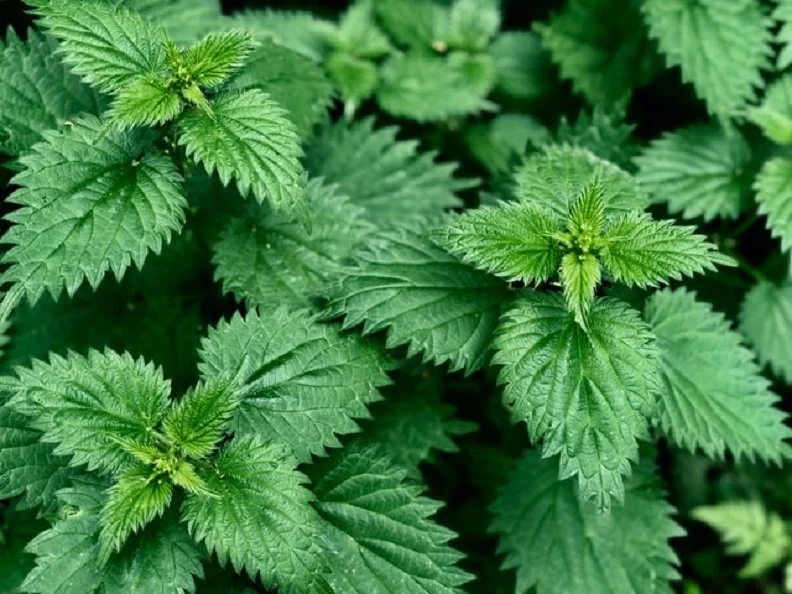
Stinging Nettle
Greater or Ribwort Plantain (Plantago major or Plantain lanceolata)
Plantain has a low-growing leaf usually found along pathways and rough grasslands (I’m not referring to the starchy tropical fruit here). It’s best to harvest the leaves before the plant flowers, which happens between April and October. Plantain leaves are astringent, cooling and soothing to mucous membranes, and reduces inflammation of nasal and lung membranes — which basically means it can help snotty noses and bring relief to irritated sinuses.
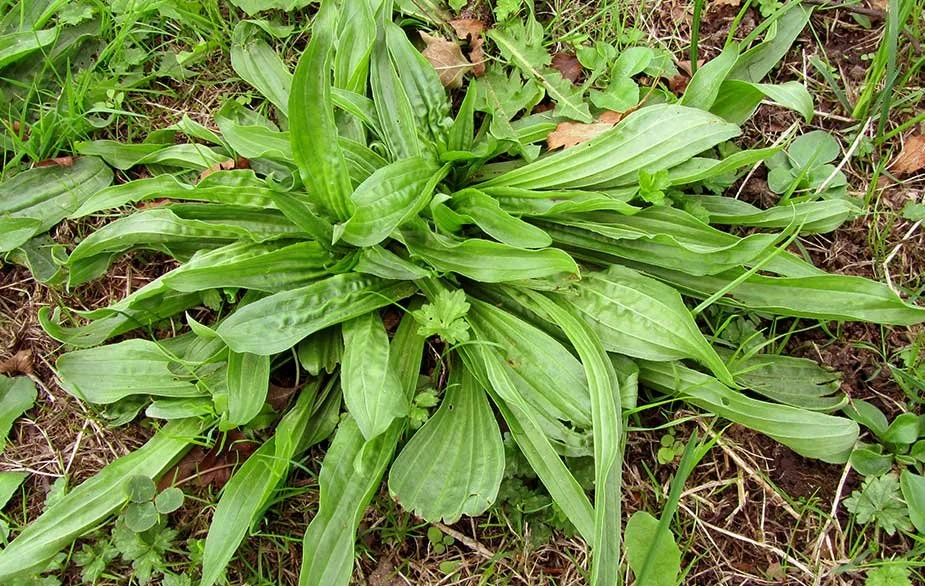
Ribwort Plantain
Ground ivy (Glechoma hederacea)
I’ve included Ground ivy for its aromatic and decongestant properties, and it’ll also add a nice flavour to this blend. It's also known as Ale-hoof, historically it was used to flavour beer. Ground ivy has the typical square stem of the dead nettle family, and can be found in woodland as well as grassy areas. It mostly creeps along the ground but can sometimes be found growing up right.
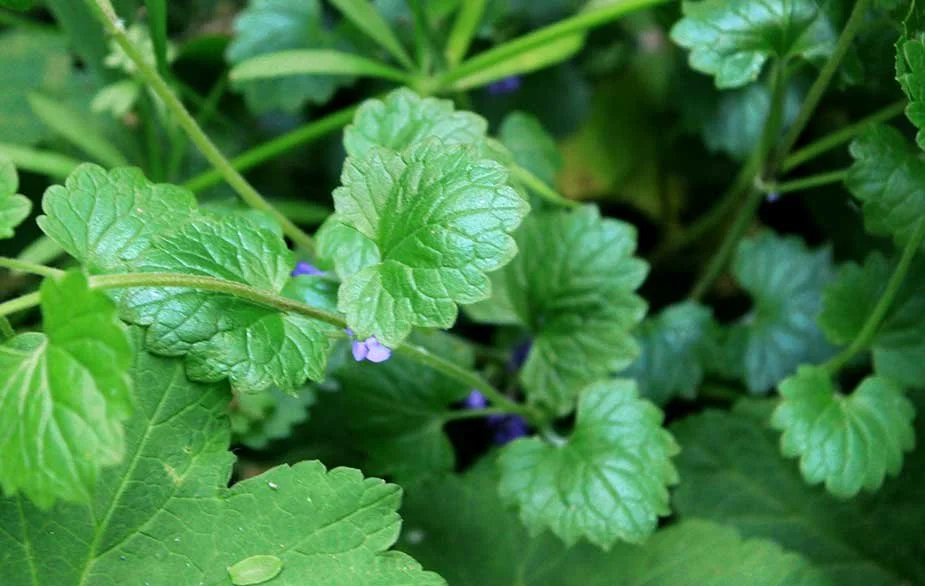
Ground Ivy
Here are a couple of simple ways to prepare and use these herbs.
1. Dry the herbs to make a tea blend
Simply dry the leaves in an airing cupboard or in the oven on the lowest heat with the door open, then crumble the leaves using your hands and combine.
Infuse one teaspoon of the blend per one cup of hot water for 15-20 minutes. Drink 2 - 3 times a day.
2. Make an Oxymel
An oxymel is a herbal infusion using raw apple cider vinegar (ACV) and honey (local if you can), and comes from the ancient Greek word oxymeli, which translates to “acid and honey.” The vinegar and honey provide additional immune and digestive system benefits.
Fill jar 1/2 full with chosen herbs
Add 50:50 honey and ACV
Stir, add lid and label
Leave for two weeks, shaking daily, then strain
Add a tablespoon to water and take 2 - 3 times daily.
Ideally we want to support the body before hay fever season starts, gradually building resilience instead of trying to calm symptoms once they start.
If you are foraging wild herbs please ensure you can 100% positively identify any plant before ingesting.